

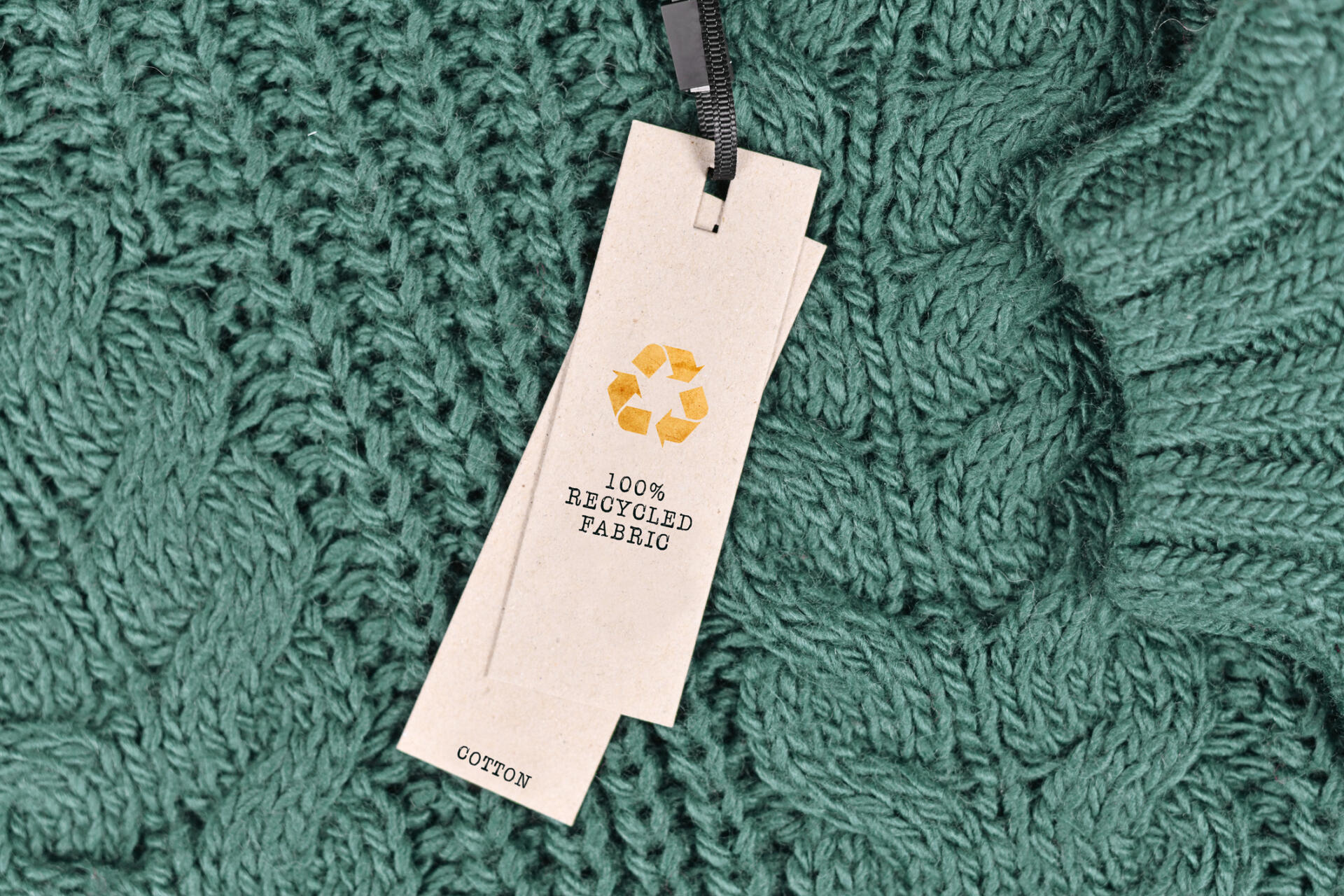
The fashion industry is undergoing a vital transformation, driven by innovative materials that lessen its environmental impact. As consumers demand transparency, designers are embracing sustainable alternatives. But what makes a material “sustainable,” and what are the leading options in this crucial shift?
Sustainable fashion materials typically fall into three categories: natural, renewable resources grown with minimal harm; those made from recycled content; and those developed through less resource-intensive processes. The goal is to reduce water use, chemical pollution, greenhouse gas emissions, and promote circularity.
Let’s explore some key sustainable fashion materials:
1. Organic Cotton: Grown without synthetic pesticides or fertilizers, organic cotton dramatically reduces soil and water pollution, protects biodiversity, and ensures safer conditions for farmers. It offers a much gentler touch on the earth compared to chemical-intensive conventional cotton.
2. Recycled Polyester (rPET): Made from post-consumer plastic waste, primarily PET bottles, rPET diverts plastic from landfills and oceans. Its production uses significantly less energy and water than virgin polyester. It’s popular for activewear and outerwear, offering durability while addressing the plastic crisis.
3. TENCEL™ Lyocell & Modal: Produced by Lenzing AG from sustainably sourced wood pulp (e.g., eucalyptus), TENCEL™ fibers are made using a closed-loop process. This recovers and reuses up to 99% of solvents, dramatically reducing pollution. The fabrics are soft, breathable, and drape beautifully, ideal for various garments.
4. Recycled Cotton: Giving new life to textile waste from factory scraps or old garments, recycled cotton reduces the need for virgin cotton production, saving water, energy, and land. Mechanical recycling can shorten fiber length, but chemical recycling methods are advancing to produce higher-quality recycled cotton.
5. Hemp: This remarkably resilient plant requires minimal water, no pesticides, and grows quickly, enriching soil. Hemp fibers are strong, durable, and naturally resistant to mold and UV light. Hemp fabric softens with age and wear, offering a comfortable, long-lasting, and climate-friendly alternative.

6. Linen: Made from the flax plant, linen, like hemp, requires minimal water and pesticides, and the entire plant can be used, leaving little waste. Linen fabric is breathable, durable, and naturally biodegradable, often improving soil quality during cultivation.
7. Recycled Wool/Cashmere: High-quality wool and cashmere can be recycled from post-consumer garments or factory scraps. This reduces textile waste, conserves water and energy, and lessens the demand for new animal fibers. Recycled options offer warmth and softness with a lower environmental impact.
The shift towards sustainable fashion materials is about creating a more regenerative industry. While challenges exist in scalability and cost, continuous innovation is promising. By supporting brands that prioritize these materials, consumers send a powerful message, accelerating the move towards a more responsible and environmentally conscious future for fashion.


